Ten Sides to This Tale
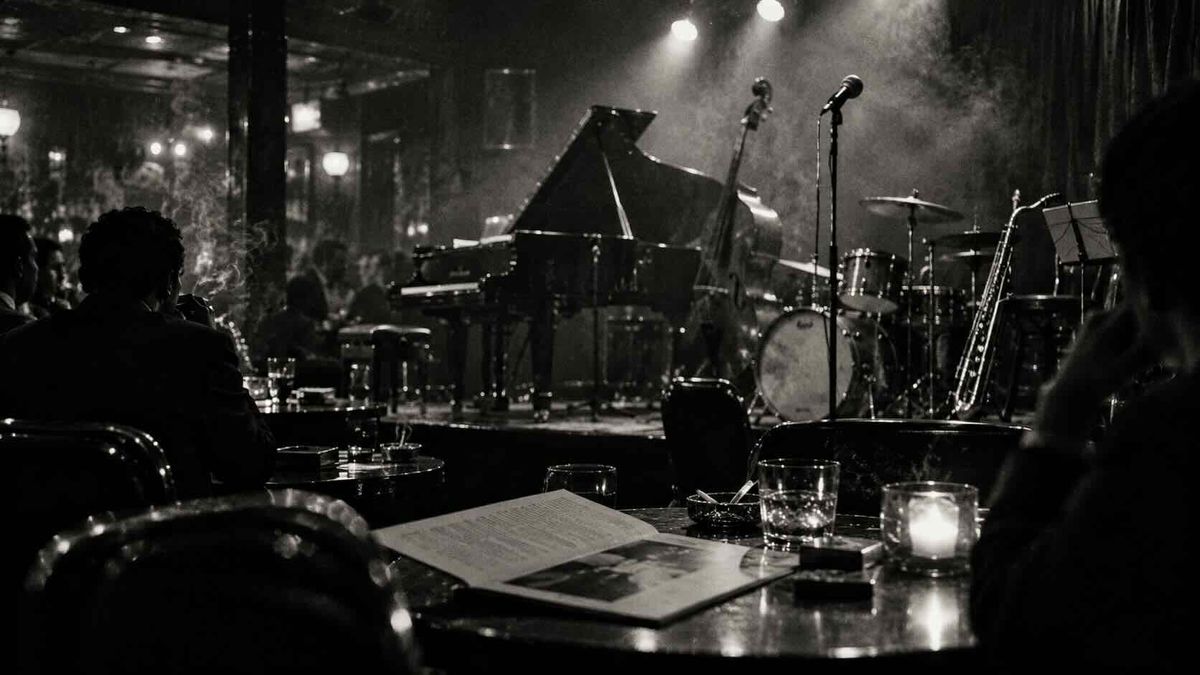
Once upon a time.
It was close to two in the morning at a club I won’t name, and the man on the bandstand had three horns in his mouth at once. The fellow next to me — a serious type, the kind who reads the personnel listings before he reads the titles — leaned over and said, “It’s a gimmick.” I bought him a drink and told him to wait. Twenty minutes later Rahsaan Roland Kirk put down everything but the flute and played something so quiet you could hear the ice in the glasses. My friend didn’t say another word all night.
That’s the trouble with this music and that’s the joy of it. The things that look like tricks turn out to be the furniture, and the things that look like furniture turn out to be the whole house.
The program assembled here runs a little under an hour and makes no claim to be a history lesson. These are ten sides this writer keeps coming back to, and if there’s an argument in the running order, it’s simply that the men who made this music were all doing the same thing from different directions — looking for a way out of what they already knew how to do.
We open with the Mingus Workshop and “Bird Calls,” which everybody assumes is about Charlie Parker and which Mingus insisted was about actual birds. Believe whichever you like; the reeds come in like something let out of a cage. Ornette Coleman follows with the title piece from his second date, and note what isn’t there — no piano, nobody minding the changes, the horns free to go where the line takes them. Some called that a stunt too.
Miles is next with a Rodgers and Hart tune, and here’s the whole trick of this quintet: nobody is in a hurry. Then Ellington and Coltrane together on “Big Nick,” which is the sound of one generation handing something across the table to the next, and if that doesn’t move you I can’t help you.
The Kirk is “Rip, Rig and Panic,” with Jaki Byard at the piano and Elvin Jones making a case for himself as the most musical drummer alive. Yusef Lateef’s “Juba Juba” opens on a drumbeat and a flute and a wordless voice, and goes somewhere no jazz record had gone before it. Cecil Taylor’s “I Love Paris” is Cole Porter taken apart on the workbench and reassembled with pieces left over; the squares will hate it, and they’re wrong. Monk’s “Green Chimneys” is Monk, which is to say it sounds like nobody but him and like it couldn’t have been written any other way.
Lee Morgan’s “Hocus-Pocus” is the funky one, and nobody should apologize for that. We close with a young John Coltrane on a ballad from his first date as a leader, several years before the world caught up with him.
A word about the far-out material. There are people who’ll tell you that Taylor and Coleman have thrown the baby out with the bathwater, and I’ve argued with those people for ten years. Listen to the Taylor and then go back and listen to how he states the Porter melody. The man knows exactly where the door is. He simply declines to use it.
The transfers here were made from clean copies with a light hand on the equalization. No attempt has been made to dress these performances up or to smooth out the differences between the dates — a 1957 Prestige session and a 1968 Atlantic session were not made under the same conditions and there’s no reason to pretend otherwise. Best results on a wide-range system with the treble rolled off slightly.
Put it on loud. Put it on twice.