A Milk Run: After the Run
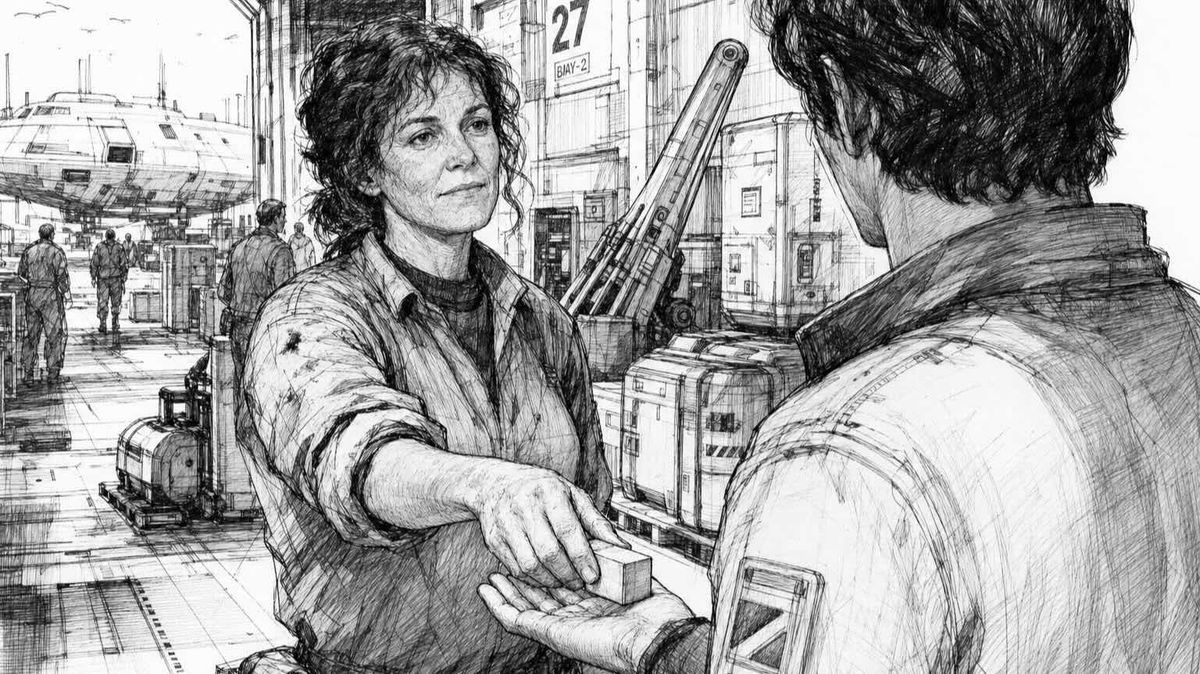
Reward: the fee (scale it to your table's economy), plus fuel and berthing covered. But the real currency is intangible: Aalsund's future favor (unless the chit was spent), a warm welcome anywhere the flotilla flies (Corin and Sael), standing with Calder-Voss. A milk run that pays in relationships seeds the next job.
Sequel hooks: the Tideturn still needs its two modules (a second short run); the F-2 question, if you let it live, makes the crew the holders of the first evidence of a spreading defect; the discretion bill comes due when an auditor asks why an independent ship ran a quiet, unfiled relief shipment; and Sevren — a balkanized world mid-recovery — is a permanent generator of "whose children get the next crate" dilemmas. The world has direction and velocity; the crew just keeps taking the next gig against it.
Now What? — hooks either way
The deeper hook is the one the crew built themselves: they flew a one-way relay and nobody planned the trip home. They're parked at a balkanized world mid-crisis with a tramp freighter, a finished job, and a fuel bill. Arrival is the trap, not the delivery — but be precise about what kind of trap. Nothing bars them from leaving: the berth is clear, the departure board is open, the Nonesuch can light up and go whenever they want. What makes leaving expensive is everything around the exit — the fuel bill, the work suddenly on offer, the people who now know their name, and a visible need it would cost something to turn your back on. The gravity is economic and relational, never a locked door. That keeps Sevren's pull enticing rather than contrived: the crew stays because going is costly and staying pays, not because anyone made them. The gig board doesn't close when the light goes green; it opens, because now they're here, and here has needs.
A note on register before the doors: the Tati engine scales up, it doesn't switch off. Scene One was rational people versus one building's machinery. The follow-ups are the same comedy at planetary resolution — rational people versus an entire relief apparatus: competing polities, overlapping authorities, a flotilla doing triage, paperwork that contradicts other paperwork, nobody in charge of the whole thing. The revolving door becomes a revolving bureaucracy. Same joke, bigger building — not a different game.
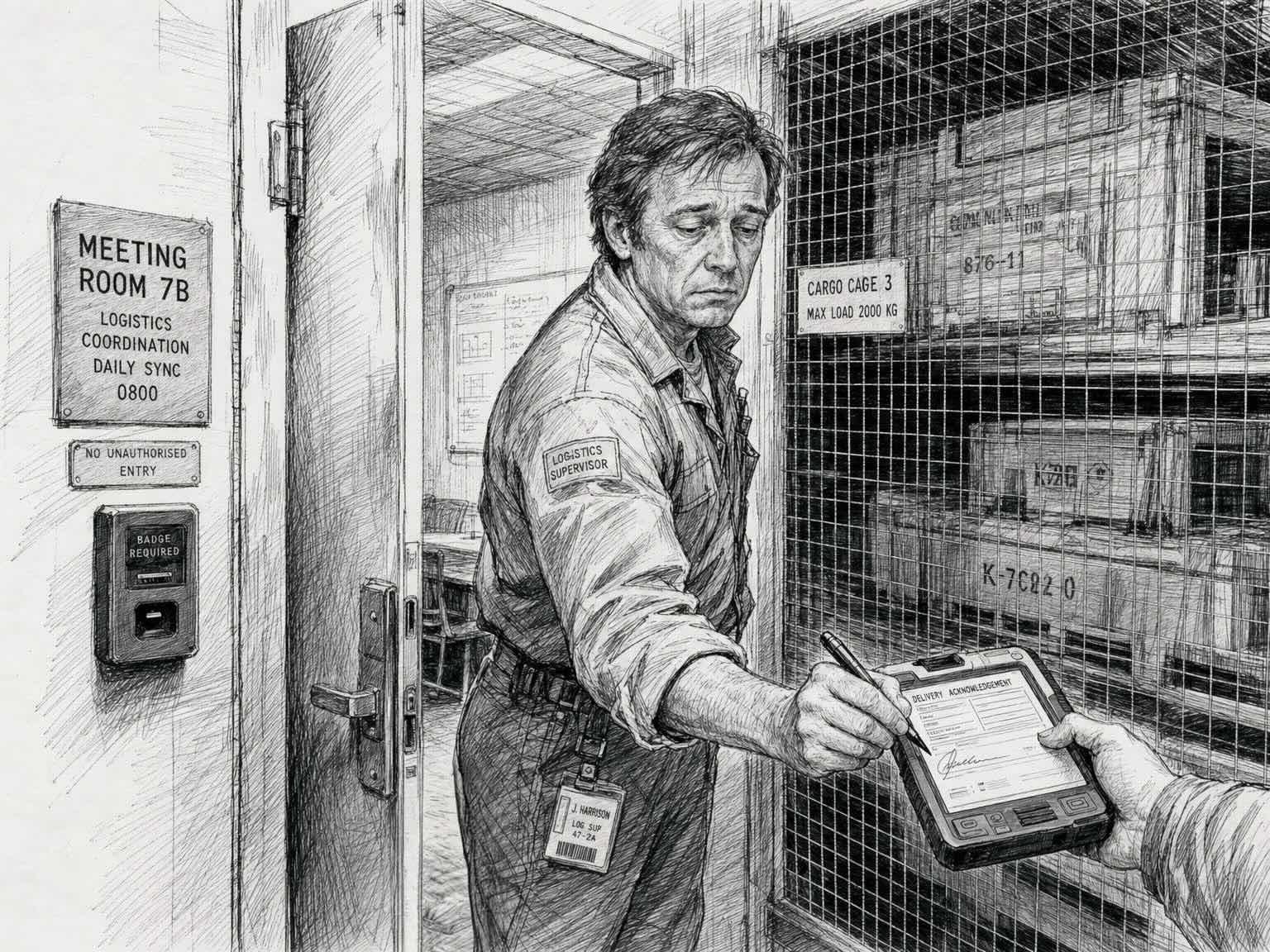
Both endings open doors. They're just different doors, and a crew gets one based on how Scene Three went. Keep them as seeds, not outlines — a named door and a hand on the handle, no more. (Sometimes the best of these are hinted, not told. A GM can grow any of them in play, or leave them glinting on the horizon as proof the orbit continues past the last page.)
If they delivered on time — the warm, entangling door ("they want you").
- The surplus problem. Rations held — so now one polity eyes another's allocation, and someone needs an independent ship, beholden to no faction, to move things "neutrally." The crew's neutrality is the asset; keeping it is the comedy, because every job is someone trying to make them not-neutral. Door held by: a polite official from a polity that wasn't at the table.
- You're the ones who can. The flotilla trusts them now — a curse dressed as a compliment. Trust means you're the ship they call for the next quiet, fiddly, time-critical thing that breaks. They've been typecast as competent. Door held by: Corin, with another problem and that same level look.
- The people who noticed. Sael said "the fixed one" and everyone relaxed — except a revised run implies an unrevised one failed, and it's out there in ships that delivered their boxes on time and don't know. Being early didn't make the defect not real. Door held by: Petrel — the manager who made them sign the quiet clause, now with a reason to keep the crew close, or quiet. What she asks of them, and what they do with the F-2 module, is the door.
If they were late — the frictiony, obligating door ("you owe them / they won't let you off the hook").
- The cut districts. The rations were cut, unevenly, across a balkanized planet — and the crew, known now as the ship that was almost in time, gets pulled groundside into the triage they nearly caused: running supplies between hubs, every crate a domestic incident. Door held by: a distribution coordinator in a district that took the hit.
- The Tideturn, now urgent. A late delivery means the Verdant Promise leaned harder on its sister ship to cover the gap, so the Tideturn is worse off than Aalsund's stale message ever said. The two modules aren't hypothetical anymore — and this time the crew knows exactly what late costs. Door held by: Corin, who keeps them rather than dismisses them.
- The defect under the cover of lateness. "They were just late" is what management would like everyone to conclude — which makes a slipping schedule the perfect place for a spreading defect to hide. The crew, holding their one F-2 suspicion, are the only ones looking the right direction while everyone's attention is on the slip. Door held by: Petrel — whose discretion clause now reads less like caution and more like a lid — and the auditor who's started asking why an independent ship ran a quiet, unfiled shipment.
One honest caution: don't let the Late doors read as better than the on-time ones, or players will start blowing the slingshot on purpose and you've inverted the whole point. Late is the frictiony future, not the rewarding one; on-time is the warm future, not the closed one. Both lead somewhere. They lead somewhere different. That's the design — failure isn't secretly the good ending, it's just a door that sticks.