Adding Magic to TiGGR
Without Overthinking It
Game designers love complexity. It's an occupational hazard. When someone asks "how do I add magic to this system?" the instinct is to build spell lists, mana pools, casting mechanics, failure tables, and escalating consequences.
But TiGGR fits on an index card. Its entire philosophy is get out of the table's way. The rules aren't the game—the conversation is the game. Rules just keep the conversation from stalling.
So when we asked ourselves how to handle magic, psionics, weird science, or divine gifts, we realized the answer was already there. TiGGR doesn't need a magic system. It needs permission to treat magic like everything else.
The Extraordinary
Some stories include magic, psionics, weird science, or divine gifts.
Treat it like everything else. Roll 2d6 + relevant stat vs. difficulty. Lighting a candle isn't a roll. Summoning a storm is Climactic (10).
Limit it simply. When you introduce an extraordinary ability, choose one limit. That limit defines how it works for this character:
- Works like a Special Ability (once per scene)
- Works like Signature Gear (big effect, once per scenario)
- Costs 1 HP per use
When it fails, the GM introduces a complication tied to the nature of the effect—not necessarily harm, but fallout, attention, imbalance, or cost.
For NPCs and factions, magic is just another signature ability.
Examples Across Genres
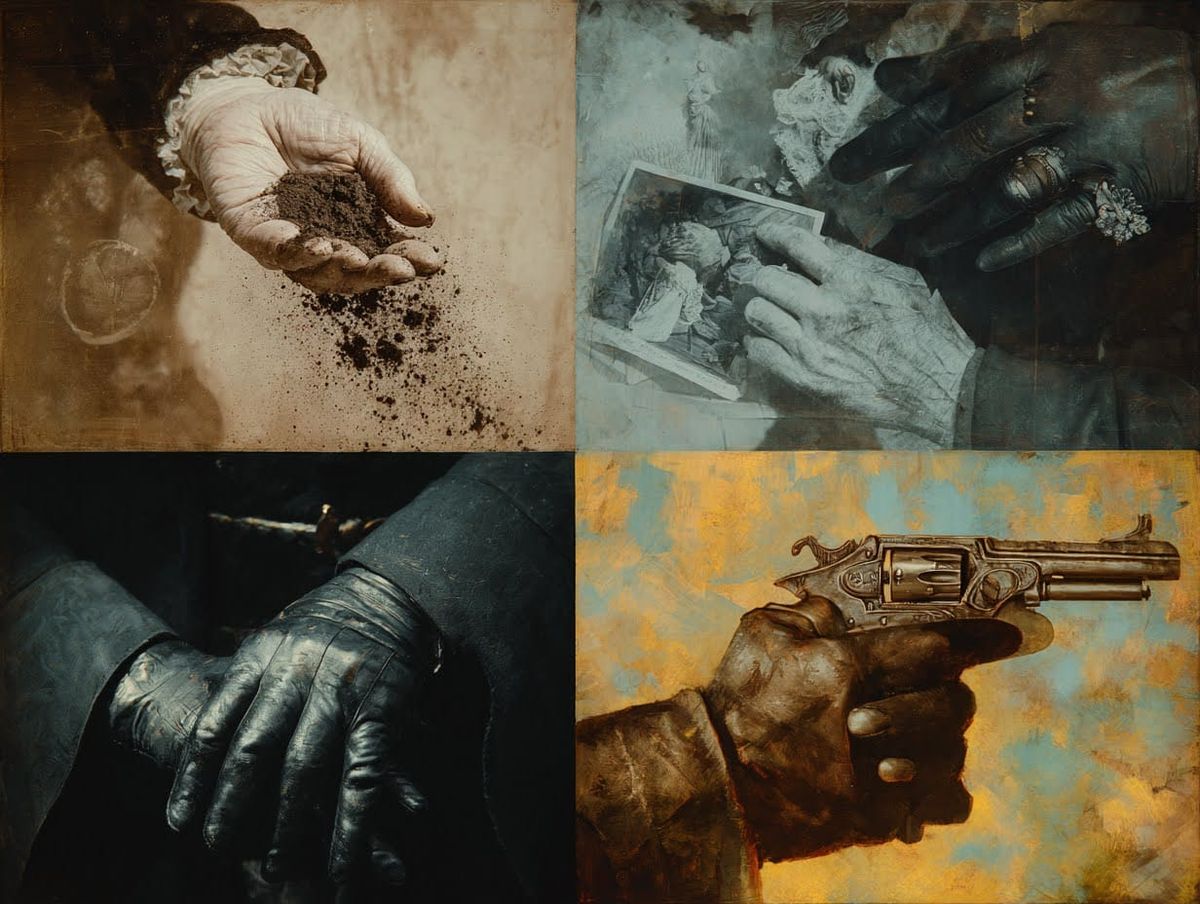
Folk Magic (Limit: HP cost) Granny Ashwood's curse requires her to spit in the dirt and speak the target's true name. Each casting costs 1 HP—the old ways take something from you.
Psychic Hunch (Limit: once per scene) Detective Vasquez gets flashes. Once per scene, she can ask the GM one question about a person or place she's observing. The answer is always true but never complete.
Weird Tech (Limit: once per scenario) The Probability Rifle doesn't fire bullets—it fires outcomes. Once per scenario, declare that an unlikely event happens instead of what was about to. Describe the impossible physics.
Divine Favor (Limit: HP cost) Brother Castellan can lay hands on the wounded, transferring their hurt to himself. Restore 1d6 HP to another character; you take that amount as damage.
That's it. The rest is flavor your table brings.
The constraint isn't "how do we cover every possibility." It's "how do we get out of the table's way fastest."
The anti-pattern is trusting players. Most design doesn't.
TiGGR is released under CC BY-SA 4.0. More at greyledger.org